
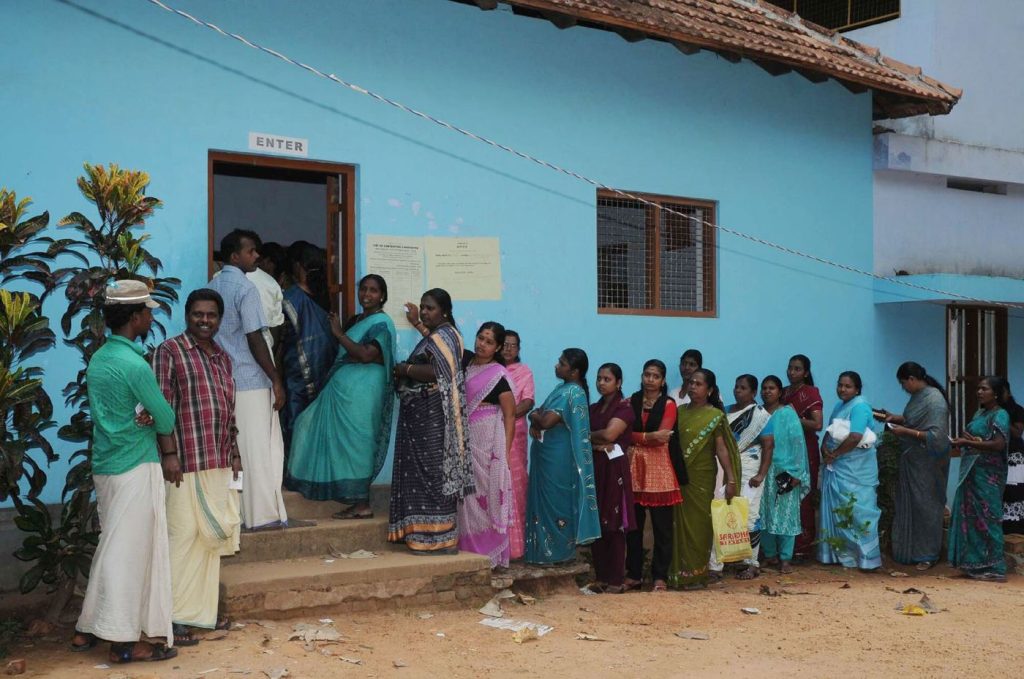
Bangladesh returned to elected government on 12 February 2026, when voters went to the polls in the first general election since the student-led uprising of 2024 that toppled Prime Minister Sheikh Hasina. The Bangladesh Nationalist Party (BNP) won a landslide, taking 209 of the 297 seats declared, with its allies winning three more, while the Jamaat-e-Islami-led alliance won 77 seats. Turnout was about 59 per cent. BNP leader Tarique Rahman, who had returned to Bangladesh in December 2025 after 17 years in exile in Britain, was sworn in as prime minister on 17 February 2026, the country’s first male prime minister in 35 years. Hasina’s Awami League was barred from contesting the election, and voters also backed a referendum on the July National Charter reform package.
What the Evidence Shows
The election closed an 18-month period of interim rule under Nobel laureate Muhammad Yunus, who had led the country since Hasina fled to India in August 2024. Rahman inherits a country still recovering from that upheaval, with a fragile economy, demands for accountability over the 2024 crackdown, and the task of delivering the reforms promised in the July Charter. His party has pledged to restore democratic institutions, revive the economy and rebuild relations with neighbours, including India, whose ties with Dhaka cooled sharply under the interim government. The scale of the BNP victory gives Rahman a strong mandate, but it also raises expectations: voters who risked their lives in 2024 will judge him on whether daily life improves, jobs return and the promised reforms are actually carried out. Reporting and analysis from sources such as Associated Press track the same developments, and specialists following Bangladesh’s 2026 general election say the direction is now consistent across independent lines of evidence.
The Wider Context
Regional and local reporting on Bangladesh’s 2026 general election often tells a different story from national coverage, because the effects land unevenly: one town’s pilot is another’s distant proposal. Analysts who follow the subject full-time read the local data first, arguing that national averages conceal the variation that decides whether a policy or a project deserves to spread.
What Happens Next
The longer story of Bangladesh’s 2026 general election is still being written by the people closest to it, whose experience rarely matches the earliest predictions of either supporters or critics. Reporting will continue to follow the evidence as it accumulates, including where it complicates today’s account. That is the deal serious coverage makes with its readers, and it holds for this subject as for any other. You can follow related developments in our coverage of news.
It is also worth remembering how quickly the picture in this area has changed before. Positions that looked settled a few years ago have been revised as new data arrived, and the same humility is appropriate now. The strongest coverage of this subject, and the most useful advice, tends to come from sources that update their views openly when the facts move, rather than defending an earlier position long after it has stopped fitting the evidence available.
