
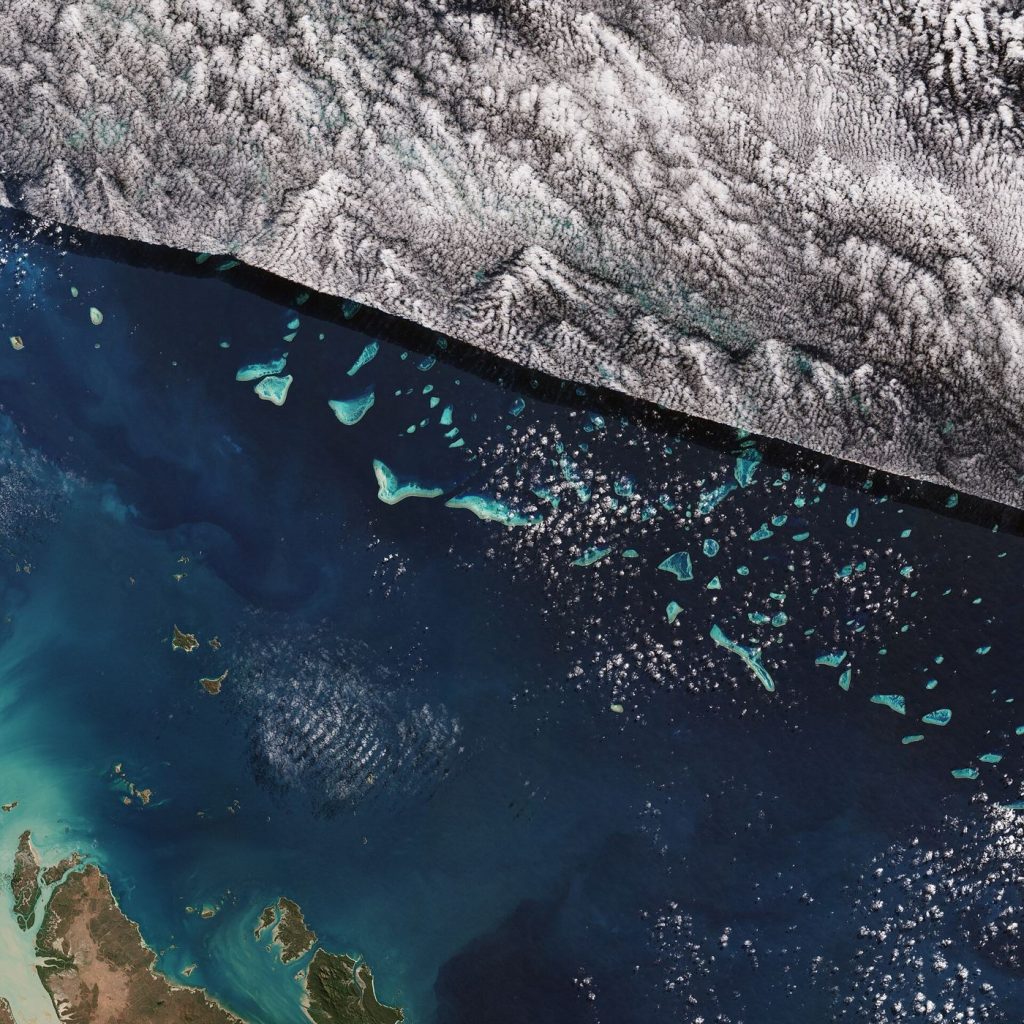
Deep reefs once regarded as safe havens for corals in a warming climate are no longer sheltered from increasingly intense marine heatwaves, according to a study published in Geophysical Research Letters on 10 November 2026. Researchers examined reefs at depths of 90 to 150 metres, or 295 to 490 feet, using ocean simulations of daily water temperatures down to 150 metres from 1993 to 2023. Marine heatwaves can disrupt the tiny algae that live within corals, leading to bleaching and even mass die-off events that threaten biodiversity, fisheries and tourism. The study appears in Geophysical Research Letters, the journal of the American Geophysical Union for high-impact and timely articles on major advances across the major geoscience disciplines.
What the Evidence Shows
Deep reefs may still have been plausible coral refuges before 2010, the researchers suggested. From 2010 onwards, however, heatwaves hit over half of the world’s tropical reefs in eight of the 13 years studied, roughly four times more often than in the preceding 17 years. The average heatwave in reefs deeper than 90 metres stretched to 15 or more days in all but two years, typically bringing temperatures around 2 degrees Celsius higher than normal. At their peak, the 2020 to 2023 marine heatwaves affected over 75 percent of global tropical coral reef areas at all depths. They used global maps of warm-water reefs to filter ocean simulations, a more complete record than satellites alone can provide. Reporting and analysis from sources such as National Science Foundation track the same developments, and specialists following the deep-reef marine heatwave study say the direction is now consistent across independent lines of evidence.
The Wider Context
The wider context is a research landscape in which replication and open data now decide reputations. Findings connected to the deep-reef marine heatwave study are being checked by independent groups with shared datasets, and the teams involved publish their methods in full so rivals can test every step. That discipline is slower than a headline cycle, but it is why results in this area increasingly survive first contact with scrutiny.
What Happens Next
What happens next in the story of the deep-reef marine heatwave study will be decided by follow-up work already under way: larger samples, longer observation and instruments that have not yet come online. The researchers involved are unusually united on one point, that the current results justify the next investment of time and money. Readers will not have to wait long for the first tests of that claim. You can follow related developments in our coverage of science.
There is a practical lesson in all of this for readers deciding what to do today. Start with the verified facts, be wary of anyone promising certainty, and prefer reversible steps while the evidence is still developing. Circumstances differ by country, income and personal situation, so general guidance should always be weighed against your own context before you act on it in any significant or lasting way.
