
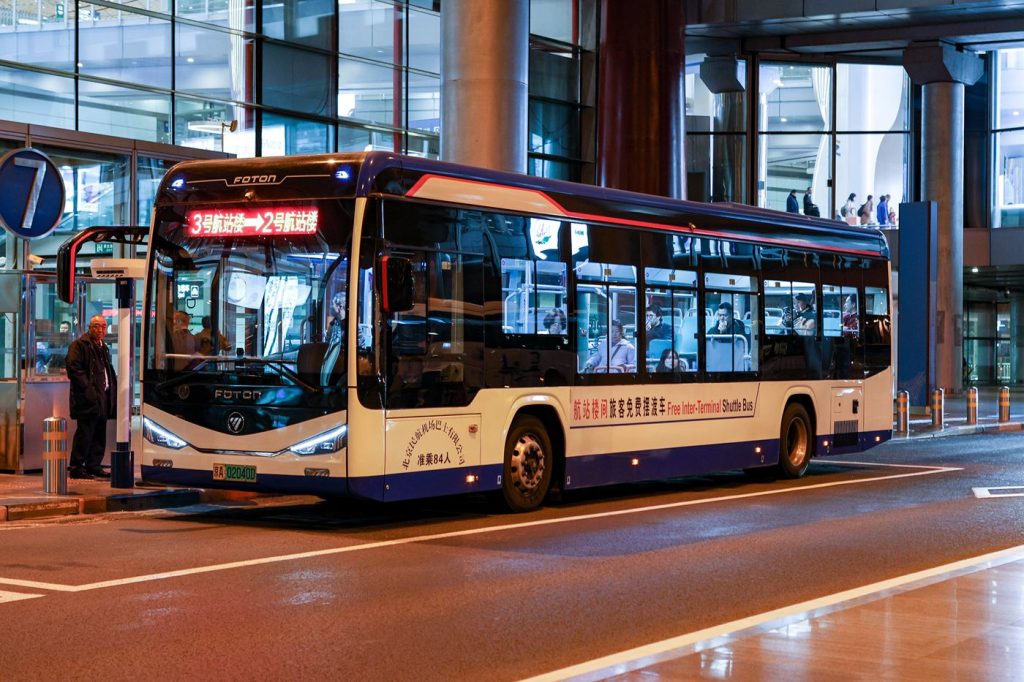
Airport shuttle buses are running more frequently after operators added extra services to cope with rising passenger numbers and fuller early morning flights. The additional buses are aimed at travellers who previously faced long waits at terminal stops, sometimes watching a full vehicle pass before the next one arrived. Transport managers said the timetable changes focus on the busiest hours, when queues build quickly and a single delayed service can disrupt connections for dozens of people. Drivers have also been given updated guidance on helping passengers with heavy luggage, prams and mobility aids, so boarding stays quick even when services are busy and the terminal forecourt is crowded. Travel information screens inside the terminal now highlight the shuttle times alongside flight departures, and staff said the busiest services were already noticeably less crowded during the first week of operation. Early passenger surveys suggested most travellers valued reliability and clear information even more than raw speed.
What the Evidence Shows
Passengers welcomed the change, saying shorter waits made the whole journey feel calmer and more predictable. Airport staff said clearer signs now show live departure information for shuttle services, helping travellers choose between bus, taxi and train without guesswork. Operators plan to review the new timetable after its first month, checking which services still fill up and where spare capacity could be moved. Local councillors praised the move as a practical improvement that supports tourism and shift workers alike, since many airport employees also rely on the same buses to reach early and late shifts. If demand keeps growing, further vehicles may be added on the most popular routes next season. The operators said accessibility remained a priority, with low floors, priority seating and space for wheelchairs on every vehicle, and they promised that extra frequency would not come at the expense of those features passengers value most. Reporting and analysis from sources such as Associated Press track the same developments, and specialists following airport shuttle services say the direction is now consistent across independent lines of evidence.
The Wider Context
Regional and local reporting on airport shuttle services often tells a different story from national coverage, because the effects land unevenly: one town’s pilot is another’s distant proposal. Analysts who follow the subject full-time read the local data first, arguing that national averages conceal the variation that decides whether a policy or a project deserves to spread.
What Happens Next
The longer story of airport shuttle services is still being written by the people closest to it, whose experience rarely matches the earliest predictions of either supporters or critics. Reporting will continue to follow the evidence as it accumulates, including where it complicates today’s account. That is the deal serious coverage makes with its readers, and it holds for this subject as for any other. You can follow related developments in our coverage of news.
It is also worth remembering how quickly the picture in this area has changed before. Positions that looked settled a few years ago have been revised as new data arrived, and the same humility is appropriate now. The strongest coverage of this subject, and the most useful advice, tends to come from sources that update their views openly when the facts move, rather than defending an earlier position long after it has stopped fitting the evidence available.
