
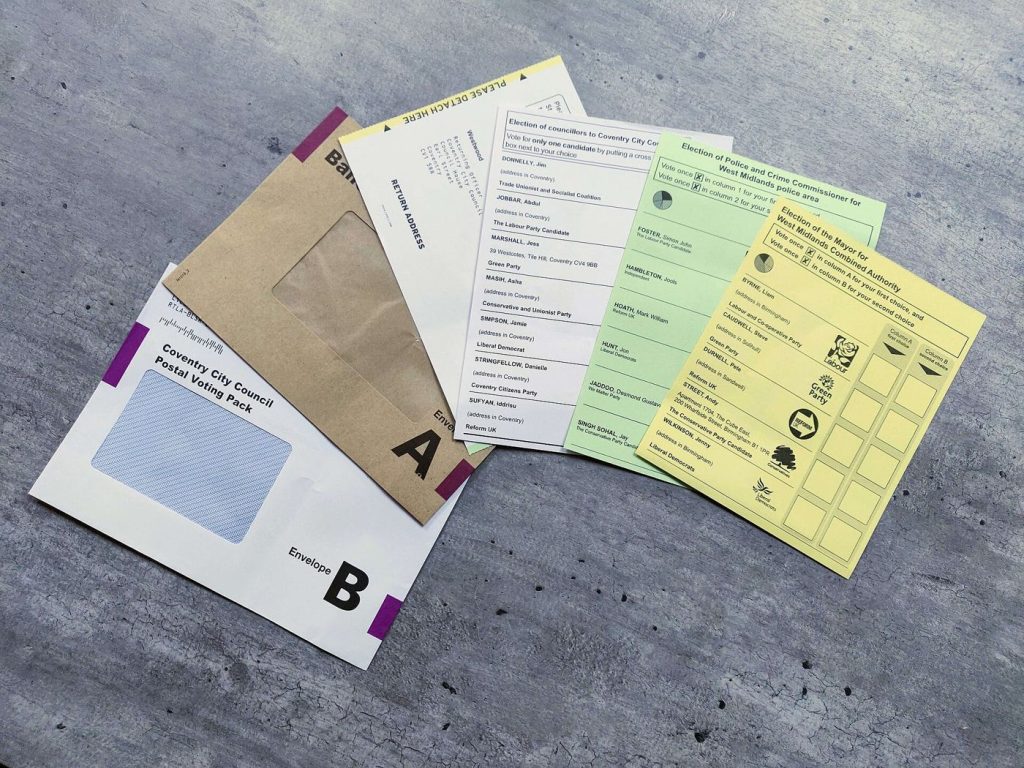
More voters than ever are choosing to cast their ballots by post, filling in their papers at the kitchen table and returning them days before polling day arrives. Election administrators say the growth has been steady over recent years, driven by people who work long hours, travel often, or simply prefer the calm of voting at home to the rush of election day. Postal voting was once used mainly by older voters and those living abroad, but it is now popular across age groups, including busy parents and shift workers. Officials say the system has become a normal part of how elections run, with postal votes counted alongside ballots cast in person. The change has also altered campaigning, since candidates now try to reach voters weeks earlier, knowing that many will have already decided and posted their vote before the final weekend. Turnout figures suggest the postal habit is here to stay, with many voters saying they will vote the same way next time.
What the Evidence Shows
Administrators say running a postal vote at scale brings its own challenges, from printing and sending millions of ballot packs on time to checking signatures and dates of birth when they return. They explain that each postal vote is verified against the voter’s record before it is counted, and that anyone who loses a ballot can request a replacement up to polling day. Security experts say the system is well tested, with checks at every stage, though they stress that voters should return their ballots promptly and follow the instructions carefully. Election officials are also reminding voters to keep their registration details up to date, since a postal vote is sent to the address on the register. For many voters, the convenience is the point: voting by post fits around work and family life rather than asking life to fit around voting. Reporting and analysis from sources such as Associated Press track the same developments, and specialists following the rise in postal voting say the direction is now consistent across independent lines of evidence.
The Wider Context
Regional and local reporting on the rise in postal voting often tells a different story from national coverage, because the effects land unevenly: one town’s pilot is another’s distant proposal. Analysts who follow the subject full-time read the local data first, arguing that national averages conceal the variation that decides whether a policy or a project deserves to spread.
What Happens Next
The longer story of the rise in postal voting is still being written by the people closest to it, whose experience rarely matches the earliest predictions of either supporters or critics. Reporting will continue to follow the evidence as it accumulates, including where it complicates today’s account. That is the deal serious coverage makes with its readers, and it holds for this subject as for any other. You can follow related developments in our coverage of news.
It is also worth remembering how quickly the picture in this area has changed before. Positions that looked settled a few years ago have been revised as new data arrived, and the same humility is appropriate now. The strongest coverage of this subject, and the most useful advice, tends to come from sources that update their views openly when the facts move, rather than defending an earlier position long after it has stopped fitting the evidence available.
