
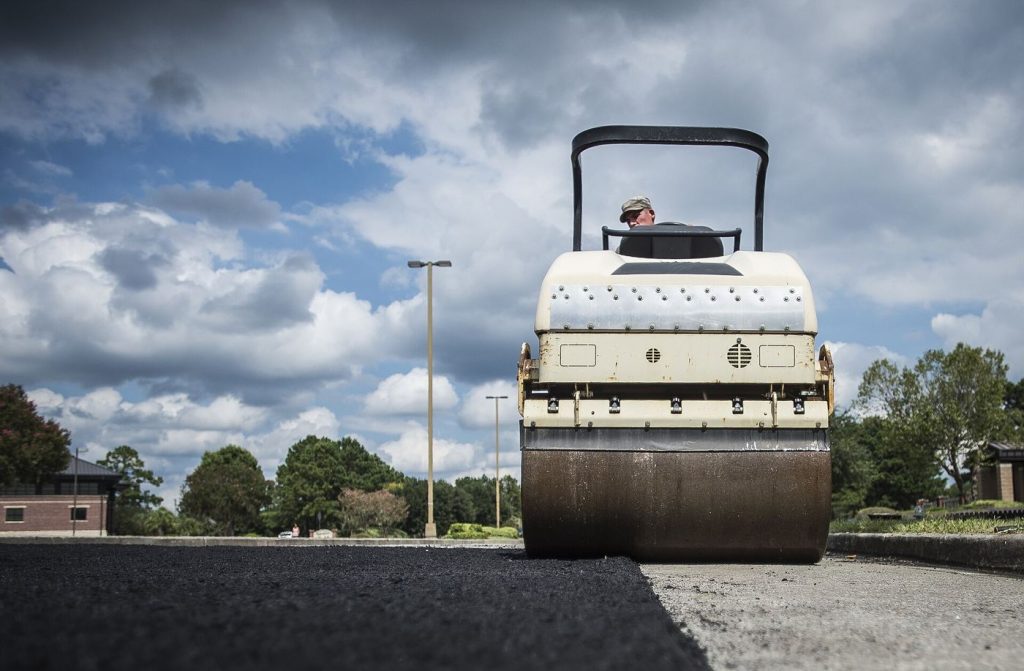
Road crews worked through the night to resurface a busy main route that has become one of the most complained-about stretches of tarmac in the city, with drivers reporting potholes, worn markings and standing water after heavy rain. The work began shortly after the evening rush hour, when the road was closed to through traffic and diversions were put in place along neighbouring streets. Engineers removed the damaged top layer of asphalt, repaired the worst sections of the surface underneath and laid a fresh coating designed to last longer under heavy vehicles and changing weather. Council officers said the overnight schedule was chosen to keep disruption to a minimum, even though it meant crews working under floodlights and residents nearby hearing machinery until the early hours. Bus operators were given advance notice so they could adjust the first services of the morning, and the road was reopened to traffic before dawn, with new lane markings painted as the final step.
What the Evidence Shows
Highways engineers said the new surface uses a harder wearing mix that should resist the cracking and rutting seen on the old road, and that drainage channels along the kerb were cleared at the same time so rainwater runs away more effectively. They added that regular inspections would follow over the next year to check how the surface settles under daily traffic. Local businesses welcomed the work, saying the poor state of the road had put off customers and damaged delivery vehicles, though some asked for clearer signs during future closures after a few drivers missed the diversion signs. The council confirmed that two further stretches of road in the same district are scheduled for similar treatment before winter, when cold and wet conditions make surfaces deteriorate fastest. Officials urged drivers to report new defects promptly through the council’s online system, saying early repairs were far cheaper than full resurfacing and helped keep the network safe for everyone. Reporting and analysis from sources such as Associated Press track the same developments, and specialists following the overnight road resurfacing say the direction is now consistent across independent lines of evidence.
The Wider Context
Regional and local reporting on the overnight road resurfacing often tells a different story from national coverage, because the effects land unevenly: one town’s pilot is another’s distant proposal. Analysts who follow the subject full-time read the local data first, arguing that national averages conceal the variation that decides whether a policy or a project deserves to spread.
What Happens Next
The longer story of the overnight road resurfacing is still being written by the people closest to it, whose experience rarely matches the earliest predictions of either supporters or critics. Reporting will continue to follow the evidence as it accumulates, including where it complicates today’s account. That is the deal serious coverage makes with its readers, and it holds for this subject as for any other. You can follow related developments in our coverage of news.
It is also worth remembering how quickly the picture in this area has changed before. Positions that looked settled a few years ago have been revised as new data arrived, and the same humility is appropriate now. The strongest coverage of this subject, and the most useful advice, tends to come from sources that update their views openly when the facts move, rather than defending an earlier position long after it has stopped fitting the evidence available.
