
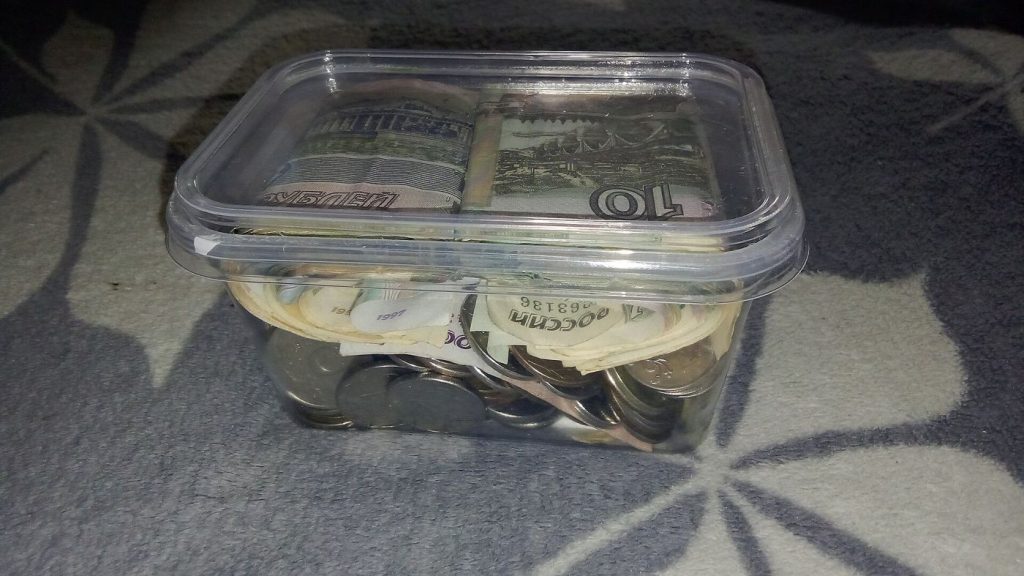
A growing number of households are trying a no spend weekend as a gentle way to see where money quietly leaks away during ordinary leisure time. The challenge is simple: from Friday evening to Sunday night, participants spend nothing beyond essentials already arranged, such as travel passes, medicines or food already bought for the weekend. Everything else, from takeaway coffees to impulse online orders, waits until Monday, when many people find the urge to buy has faded completely. Money coaches say the value lies less in the amount saved over two days and more in the awareness the pause creates, because every avoided purchase has to be noticed and replaced with something free. Families often fill the time with walks, library visits, batch cooking, board games and long delayed jobs around the home, discovering that a satisfying weekend does not depend on constant spending. Agreeing the rules in advance helps, especially what counts as essential, and keeping a note of every temptation builds a useful list of habits to tackle later. For people paid monthly, placing the challenge just after payday can be revealing, while for others the weekend before payday shows how resourceful they can be.
What the Evidence Shows
Coaches recommend treating the challenge as an experiment rather than a punishment, because guilt rarely builds lasting habits while curiosity often does. Writing down each avoided purchase and its price gives a satisfying total at the end, and moving that sum straight into a savings pot turns an intention into visible progress. Households that repeat the challenge monthly can alternate the rules, perhaps allowing one small shared treat while keeping delivery food and online shopping firmly paused. Anyone whose work or caring duties genuinely require weekend spending should adapt the idea instead of abandoning it, focusing on one category such as clothes or snacks. The weekend also opens honest conversations about social pressure, since friends may suggest costly plans without realising money is tight. Suggesting a walk, a home cooked meal or a free local event keeps friendships intact while the budget recovers. Over several months, participants say the biggest change is confidence: proof that spending can pause without life stopping makes everyday choices feel calmer, and the small amounts saved begin to build into a cushion that makes the next unexpected bill far less frightening. Many repeat the weekend seasonally, finding that each round reveals one more habit worth changing permanently. Reporting and analysis from sources such as World Bank track the same developments, and specialists following no spend weekend budget challenge say the direction is now consistent across independent lines of evidence.
The Wider Context
For households and small firms, no spend weekend budget challenge matters through prices and access rather than through market commentary. Changes at this level arrive as a rate on an offer letter, a fee on a statement or a product that quietly disappears from a comparison table. Consumer groups argue that transparency at exactly that point of decision is worth more than any amount of market-level reporting.
What Happens Next
The outlook for no spend weekend budget challenge hinges on policy choices that will be made in the open over the coming quarters. Market participants are positioned for more than one outcome, which is why the immediate reaction to each announcement has been smaller than the commentary around it. For ordinary savers and borrowers, the advice from every quarter is the same: review your own position, not the headlines. You can follow related developments in our coverage of finance.
