
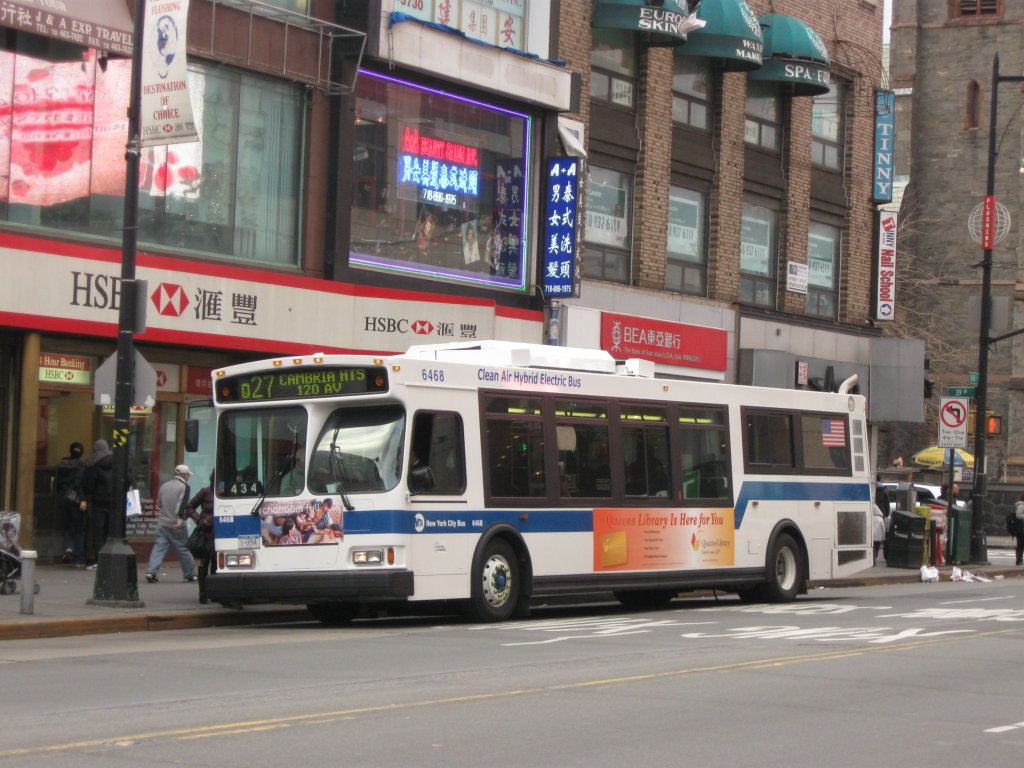
Several cities are adding later evening bus services from this month, in a move aimed squarely at shift workers who finish after the last regular departures have gone. Hospital staff, warehouse teams, cleaners and hospitality workers have long complained that timetables are designed around office hours, leaving them facing long walks or expensive taxis late at night. Under the new arrangements, key routes serving hospitals, industrial estates and retail parks will run until well past midnight, with extra services on Friday and Saturday evenings. Transport officials say passenger counts on trial late services were stronger than expected, suggesting demand had been underestimated for years. Employers have backed the change, arguing that reliable late transport helps them recruit and keep staff for evening roles that are otherwise hard to fill. Unions representing transport workers have welcomed the investment while asking for clear plans on staffing, driver rest breaks and safety at quieter stops during the latest hours of operation.
What the Evidence Shows
The funding for the extended services comes from a mix of council budgets and contributions from large employers along the routes, who benefit directly when staff can travel reliably. Planners studied anonymised travel data and shift patterns before choosing which routes to extend, rather than spreading thin services across the whole network. Frequency matters as much as the final departure time, they say, because a single late bus that is missed can mean an hour of waiting. Real-time information screens and app updates are being promoted so passengers know exactly when their bus will arrive. Some cities are also improving lighting and shelters at stops used heavily late at night. A formal review after six months will look at passenger numbers, punctuality and feedback from night workers, and officials say routes that prove popular could become permanent while quieter ones are adjusted. The changes begin with the new winter timetable and will be advertised at workplaces as well as stations. Reporting and analysis from sources such as Associated Press track the same developments, and specialists following later evening buses for shift workers say the direction is now consistent across independent lines of evidence.
The Wider Context
Regional and local reporting on later evening buses for shift workers often tells a different story from national coverage, because the effects land unevenly: one town’s pilot is another’s distant proposal. Analysts who follow the subject full-time read the local data first, arguing that national averages conceal the variation that decides whether a policy or a project deserves to spread.
What Happens Next
The longer story of later evening buses for shift workers is still being written by the people closest to it, whose experience rarely matches the earliest predictions of either supporters or critics. Reporting will continue to follow the evidence as it accumulates, including where it complicates today’s account. That is the deal serious coverage makes with its readers, and it holds for this subject as for any other. You can follow related developments in our coverage of news.
It is also worth remembering how quickly the picture in this area has changed before. Positions that looked settled a few years ago have been revised as new data arrived, and the same humility is appropriate now. The strongest coverage of this subject, and the most useful advice, tends to come from sources that update their views openly when the facts move, rather than defending an earlier position long after it has stopped fitting the evidence available.
