
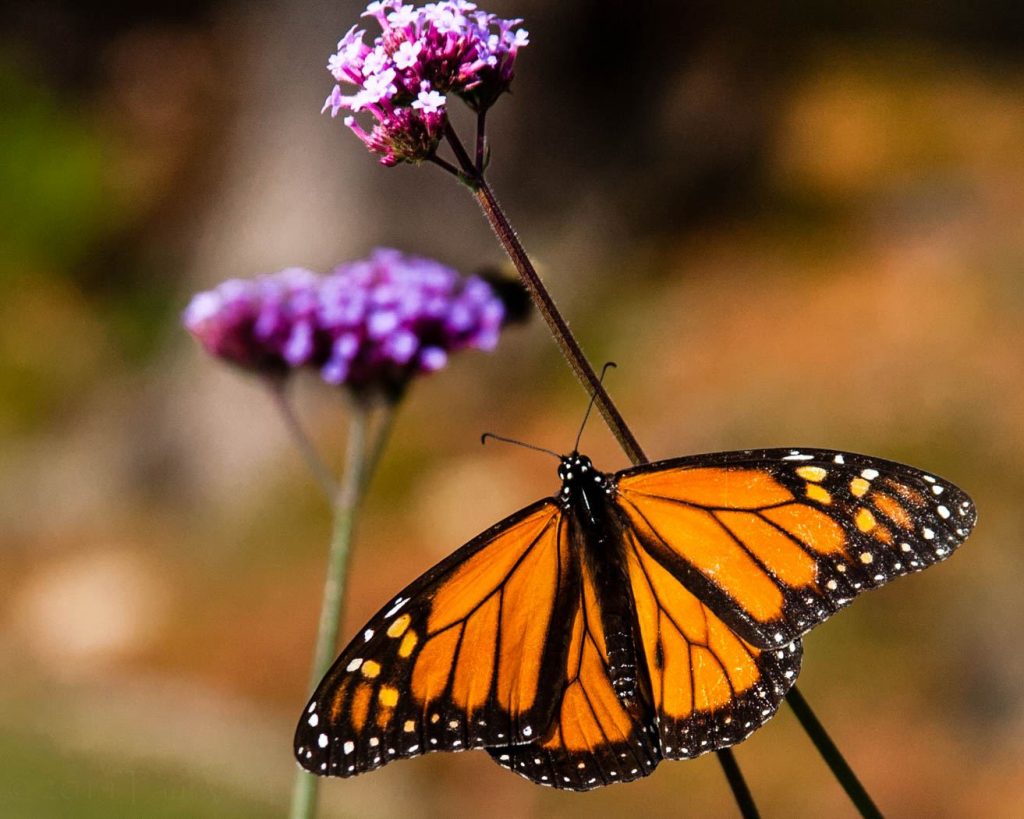
Each autumn, millions of monarch butterflies rise from fields across North America and begin a journey of up to four thousand kilometres to a handful of mountain forests in Mexico. No single butterfly makes the whole round trip. The travellers that arrive in Mexico are the great-grandchildren of the ones that left the previous spring, yet they find the same groves their ancestors used, guided by instincts scientists are still working to explain. The butterflies navigate using the position of the Sun, an internal clock that compensates for its movement across the sky, and a magnetic sense that may act as a backup compass. Along the way they feed on nectar to build up fat, rest in trees at night and ride rising currents of warm air to save energy. It is one of the longest migrations of any insect, carried out by a creature that weighs less than a paperclip.
What the Evidence Shows
The migration is under pressure from many directions. Milkweed, the only plant monarch caterpillars can eat, has become scarce as farmland and roadsides are cleared, and the mountain forests where the butterflies spend the winter are shrinking as trees are cut. Cold snaps and storms can kill millions of clustered butterflies in a single night. In response, gardeners, farmers and schools across North America have begun planting milkweed and nectar flowers, creating stepping stones of habitat along the migration route. Scientists track the journey with tiny tags glued to butterfly wings and with volunteers who count the arrivals each year. The counts rise and fall, but the public effort has grown steadily, turning a fragile insect migration into one of the best-known conservation stories on the continent. Counting the butterflies each winter gives researchers an early warning when the population is falling. Reporting and analysis from sources such as National Science Foundation track the same developments, and specialists following the monarch butterflies navigating thousands of miles say the direction is now consistent across independent lines of evidence.
The Wider Context
The wider context is a research landscape in which replication and open data now decide reputations. Findings connected to the monarch butterflies navigating thousands of miles are being checked by independent groups with shared datasets, and the teams involved publish their methods in full so rivals can test every step. That discipline is slower than a headline cycle, but it is why results in this area increasingly survive first contact with scrutiny.
What Happens Next
What happens next in the story of the monarch butterflies navigating thousands of miles will be decided by follow-up work already under way: larger samples, longer observation and instruments that have not yet come online. The researchers involved are unusually united on one point, that the current results justify the next investment of time and money. Readers will not have to wait long for the first tests of that claim. You can follow related developments in our coverage of science.
There is a practical lesson in all of this for readers deciding what to do today. Start with the verified facts, be wary of anyone promising certainty, and prefer reversible steps while the evidence is still developing. Circumstances differ by country, income and personal situation, so general guidance should always be weighed against your own context before you act on it in any significant or lasting way.
