
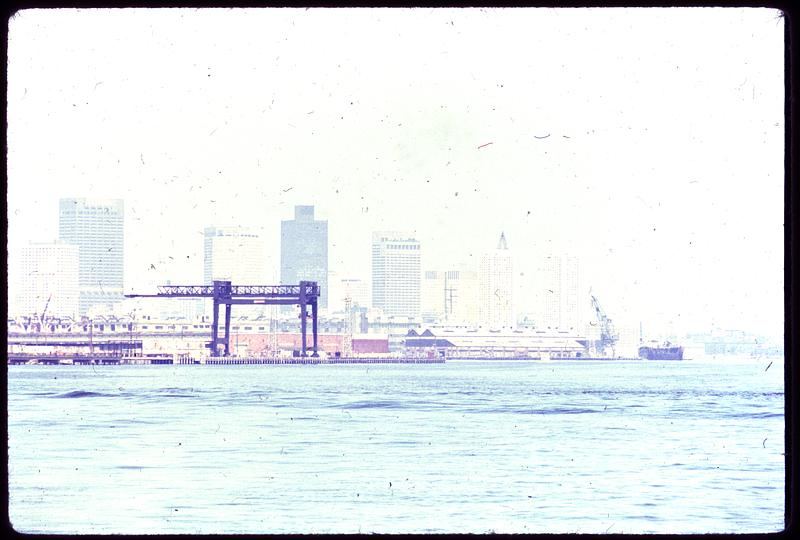
Hospitals have reported a rise in patients arriving with breathing problems during the latest spell of hazy weather, as doctors warn that poor air quality can quickly worsen conditions such as asthma and bronchitis. Emergency departments said they had seen more people complaining of tight chests, persistent coughs and shortness of breath, particularly among older patients and children, since the haze settled over the city. Health officials advised residents to keep windows closed during the worst hours, to avoid strenuous exercise outdoors and to carry inhalers if they had been prescribed them. Schools were asked to move outdoor activities inside where possible, and people who work outside were urged to take regular breaks in cleaner air. Experts said the haze was caused by a mix of traffic fumes, industrial emissions and still weather that trapped pollutants close to the ground instead of dispersing them. Forecasters said the haze was expected to lift once stronger winds arrived later in the week.
What the Evidence Shows
Doctors explained that fine particles in polluted air can irritate the airways and trigger inflammation, which is why people with existing lung conditions feel the effects first, though healthy adults can also notice sore throats and tiredness during prolonged episodes. They recommended checking daily air quality forecasts before planning outdoor activities, and said masks could help for those who had to spend long periods outside. Environmental officers said they were monitoring pollution levels street by street and would issue alerts if readings climbed further, while transport planners pointed to cleaner buses and cycle lanes as longer-term answers. Councillors said the episode underlined the need for faster action on traffic and heating emissions. Health services promised to keep extra capacity available until the haze lifts and the air clears. Campaigners said cleaner air would need lasting changes to traffic and heating, not just short-term advice during each episode. Reporting and analysis from sources such as Associated Press track the same developments, and specialists following the rise in breathing problems during the haze say the direction is now consistent across independent lines of evidence.
The Wider Context
Regional and local reporting on the rise in breathing problems during the haze often tells a different story from national coverage, because the effects land unevenly: one town’s pilot is another’s distant proposal. Analysts who follow the subject full-time read the local data first, arguing that national averages conceal the variation that decides whether a policy or a project deserves to spread.
What Happens Next
The longer story of the rise in breathing problems during the haze is still being written by the people closest to it, whose experience rarely matches the earliest predictions of either supporters or critics. Reporting will continue to follow the evidence as it accumulates, including where it complicates today’s account. That is the deal serious coverage makes with its readers, and it holds for this subject as for any other. You can follow related developments in our coverage of news.
It is also worth remembering how quickly the picture in this area has changed before. Positions that looked settled a few years ago have been revised as new data arrived, and the same humility is appropriate now. The strongest coverage of this subject, and the most useful advice, tends to come from sources that update their views openly when the facts move, rather than defending an earlier position long after it has stopped fitting the evidence available.
