
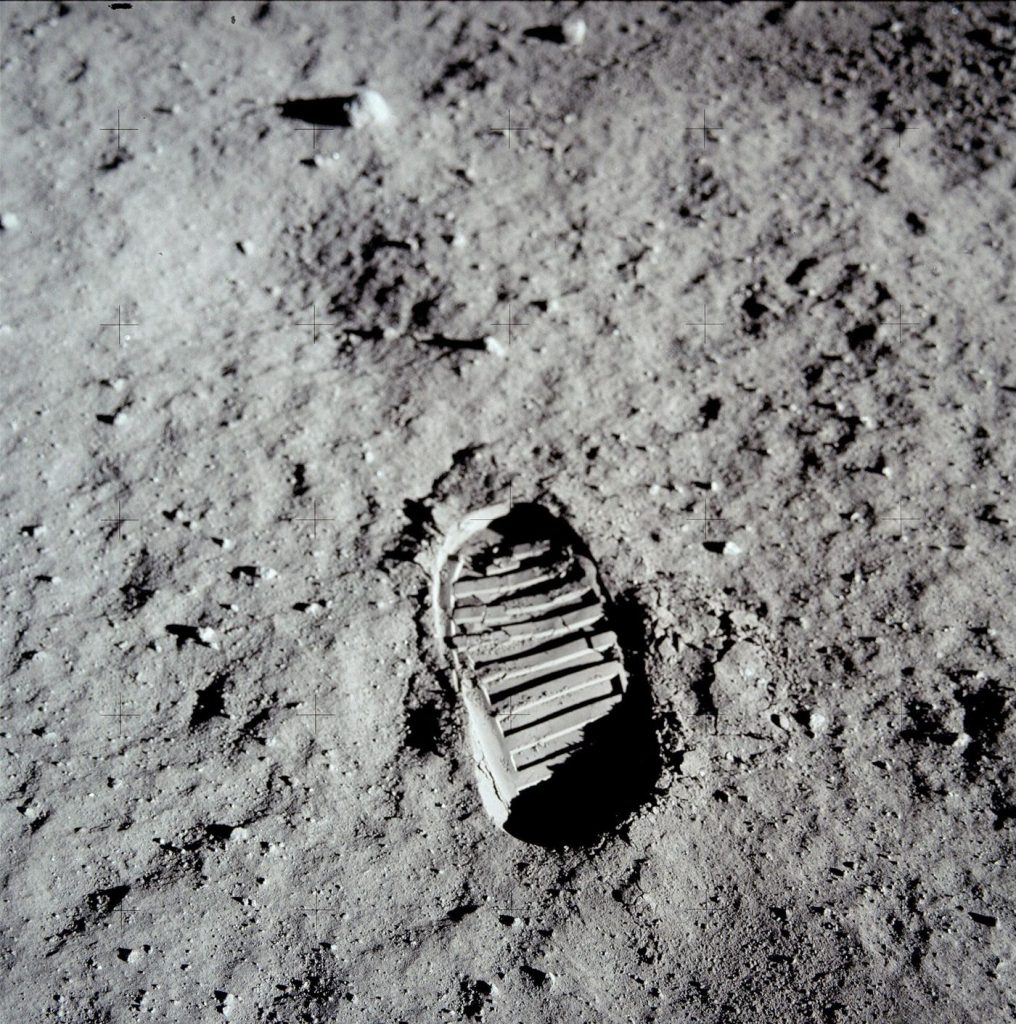
The Moon’s poles hold some of the coldest places in the solar system. Deep craters near the poles lie in permanent shadow, never touched by sunlight, and their floors may be cold enough to preserve water ice delivered by comets billions of years ago. That ice, if it exists in useful amounts, could change how future missions work. Water can be split into oxygen for breathing and hydrogen for rocket fuel, and it can shield astronauts from radiation. Orbital instruments have already found signs of hydrogen in the shadowed craters, and radar data hints at ice buried beneath the surface dust. The evidence is promising but not yet conclusive, because the same signals could come from hydrogen trapped in minerals rather than frozen water. Settling the question matters, since a reliable water supply would let lunar bases grow beyond short visits and could support missions heading further out into the solar system.
What the Evidence Shows
Planned missions aim to answer the question by landing near the south pole and examining the shadowed ground directly. Rovers equipped with drills and ovens will dig into the cold soil, heat samples and analyse what is released, looking for water vapour and other frozen compounds. Scientists are also mapping the craters in detail, since a landing site must balance access to sunlight for power with proximity to the shadowed ice. The challenge is considerable: temperatures in permanent shadow are far below anything encountered on Earth, and machinery must work in darkness it cannot escape. Engineers are testing instruments in cold chambers and on Antarctic analogues to be sure they will function. Researchers caution that even a confirmed discovery would only be the beginning, since mining ice on the Moon would require entirely new methods. Even so, they say the shadowed craters are the most promising place in the inner solar system to look for accessible water beyond Earth. Reporting and analysis from sources such as National Science Foundation track the same developments, and specialists following the shadowed lunar craters say the direction is now consistent across independent lines of evidence.
The Wider Context
The wider context is a research landscape in which replication and open data now decide reputations. Findings connected to the shadowed lunar craters are being checked by independent groups with shared datasets, and the teams involved publish their methods in full so rivals can test every step. That discipline is slower than a headline cycle, but it is why results in this area increasingly survive first contact with scrutiny.
What Happens Next
What happens next in the story of the shadowed lunar craters will be decided by follow-up work already under way: larger samples, longer observation and instruments that have not yet come online. The researchers involved are unusually united on one point, that the current results justify the next investment of time and money. Readers will not have to wait long for the first tests of that claim. You can follow related developments in our coverage of science.
There is a practical lesson in all of this for readers deciding what to do today. Start with the verified facts, be wary of anyone promising certainty, and prefer reversible steps while the evidence is still developing. Circumstances differ by country, income and personal situation, so general guidance should always be weighed against your own context before you act on it in any significant or lasting way.
